
Bachelor's degree in universities abroad

Studying for a bachelor's degree at a foreign university is not only about a great start for a career, but also about new acquaintances, improving the language, and the experience of living in another culture. What are the features of studying for a bachelor's degree abroad and how to apply? Are there scholarships for international students?

Features of studying

The process of studying for a bachelor’s degree abroad and in the CIS countries is different. In Europe and the USA, education is more applied and focused on independent work, due to which university graduates are ready to compete with experienced candidates in the labor market immediately after receiving their diploma.

MAIN DIFFERENCES:
Academic performance

Competition among applicants is high; universities take into account the average grade of the certificate, grades in specialized subjects and the results of international exams, such as the SAT or ACT (in the case of American universities).

Motivation letter and recommendations

In it, you need to talk about your goals, interests, and reasons for choosing a specific educational institution. Recommendations from teachers may be required.

Extracurricular activities

Foreign universities value active and versatile students. Participation in school and extracurricular activities, volunteer work, and sports competitions will help with admission, as it demonstrates leadership qualities, initiative, and the ability to work in a team.

MBA is an intensive program focused on practice and development of leadership skills. The training lasts from 1 to 2 years and includes the study of:

  • Finance and accounting
  • Marketing and sales management
  • Strategic management
  • Operations management
  • HR management
  • Innovation and entrepreneurship

The peculiarity of studying on the MBA program abroad is that students from different countries and with different work experience create a unique atmosphere that promotes the exchange of knowledge and broadening of horizons.

Due to these features of the educational process, immediately after graduation, bachelors are ready to build a career and live independently. And this is the main advantage that foreign education provides.

Training formats

The education system in the US and Europe is unusual for students from the CIS countries. Some things are similar, but most are radically different, and you need to be prepared for this.

Universities in the US and Europe have 3 main formats of undergraduate education: full-time, distance learning, and hybrid.

Full-time education (On-campus, Full-time) Плюсик

In the US, this is a traditional format that requires the student to be fully present on campus. Classes are held in classrooms, labs, and libraries. Usually involves a more intense social life and close interaction with professors. Often includes mandatory attendance at lectures and seminars.

In Europe, it is almost the same as in the US, but there are differences in intensity. In some European countries (e.g., Germany), lectures may be less frequent, and the emphasis is on independent work and exam preparation. Lecture attendance may be less strict than in some American universities.

Дистанционное обучение (Online, Distance learning) Плюсик

In the US, distance learning is widespread, especially in large online universities. Classes are conducted via online platforms, using video conferencing, online tests, forums. The ability to study from anywhere in the world, flexible schedule, but requires a high level of self-organization and discipline. The quality of distance education varies greatly depending on the university and program.

In Europe, distance learning is becoming more widespread, but perhaps not as widespread as in the US. The quality and availability of online programs also vary between countries and universities. Many European universities offer hybrid formats that combine online and face-to-face classes.

Hybrid learning (Blended learning) Плюсик

This is a combination of face-to-face and distance learning. Some classes are held in the classroom, some are online. This allows you to combine the advantages of both formats: communication with the teacher and classmates, flexibility in time planning. The proportion between face-to-face and distance learning may vary depending on the program and university.

Many Master’s programs abroad offer an interdisciplinary approach, allowing you to gain a broader education. Internships are an important part of many Master’s programs, providing practical experience in your field.

Peculiarities


educational programs

US universities offer a wide range of majors and minors. There is a system of credits, the accumulation of which is necessary to obtain a degree. Much importance is attached to the practical application of knowledge.

In Europe, credit systems (ECTS) are more unified compared to the US. The possibility of specialization often appears in later years. The focus may be more on theoretical knowledge, but practical application is also gaining popularity.

Internships

In both the United States and Europe, internships are an important component of many undergraduate programs, especially in fields such as business, engineering, and medicine. They allow students to apply their knowledge in practice, gain professional experience, and expand their professional networks. Most internships are paid, so students can cover some or all of their tuition or living expenses.

Interdisciplinary approach

Another feature of a bachelor’s degree abroad is the interdisciplinary approach. It involves integrating knowledge from different fields of science and art. This allows students to gain a more holistic understanding of the problem, develop critical thinking skills and creative problem solving. This approach is often used in programs aimed at solving complex problems such as climate change, healthcare, and the development of new technologies. For example, a program related to sustainable development may include knowledge from the fields of economics, ecology, sociology, and engineering.

What specialties are available?

The majors available for undergraduate studies in the US and Europe cover a wide range of fields. Although the exact list may vary depending on the university and country, some areas are constantly in demand, while others are gaining popularity as they are promising in the international labor market.

Popular destinations:
IT (Information Technology) Плюсик

There is a high demand for IT specialists in the US and Europe. Bachelor’s programs offer specializations in areas such as:

  • Programming: software development, web development, mobile development, game development.
  • Cybersecurity: protecting computer systems and networks from cyberattacks.
  • Databases: managing and administering databases.
  • Networks: administering and designing computer networks.
  • Data science/data analysis: processing, analyzing, and visualizing big data.
  • Artificial intelligence (AI) and machine learning (ML): developing intelligent systems and algorithms.
Business Плюсик

This is a broad category that includes:

  • Management: managing personnel, finances, operations, projects.
  • Marketing: developing and implementing marketing strategies.
  • Finance: managing financial resources, investments.
  • Economics: studying economic processes and systems.
  • International Business Management: working with international companies and markets.
Engineering Плюсик

It is a field that covers many specialties, including:

  • Computer engineering: designing computer systems and equipment.
  • Electrical engineering: designing and developing electronic devices and systems.
  • Mechanical engineering: designing and building mechanical systems.
  • Chemical engineering: designing and optimizing chemical processes.
  • Civil engineering: designing and constructing buildings and structures.
  • Biomedical engineering: applying engineering principles to medicine.
Medicine Плюсик

Earning a bachelor’s degree in medicine (in the U.S., this usually precedes medical school), which includes:

  • Biology: the study of living organisms.
  • Chemistry: the study of substances and their properties.
  • Pre-med: a program that prepares students for medical school.
Humanities Плюсик

They cover a wide range of disciplines, such as history, literature, philosophy, sociology, political science, psychology, linguistics, etc.

Data Science and Data Analysis Плюсик

The demand for data analytics specialists is constantly growing across all industries.

Artificial Intelligence (AI) and Machine Learning (ML) Плюсик

The development and implementation of AI systems is a key factor in technological development.

Cybersecurity Плюсик

Protecting information and systems is becoming an increasingly important task in the context of increasing digitalization.

Biomedical engineering Плюсик

Development of new medical technologies and treatment methods.

Renewable Energy Плюсик

The development and implementation of technologies in the field of renewable energy sources is also very relevant today.

International Business and Management Плюсик

Professionals who are able to work in the global economy are worth their weight in gold today.

It is important to note that the global labor market is constantly changing, so it is necessary to be aware of current trends and be able to respond to them. But quality education and practical experience are what is needed for a specialist in any field.

Cost and duration of training

In most American universities, master’s programs last from 1 to 2 years. The duration depends on the specialty and the intensity of the educational process:

  • programs in the natural sciences, engineering and business are designed for 2 years;
  • programs in the field of law or art take about a year.

In European countries, the duration of study for a master’s degree is 1-2 years:

  • in the UK, the Netherlands and Sweden, master’s programs last 1 year, which allows you to get a diploma earlier and start a professional career;
  • in Germany, France and some other European countries, a master’s degree lasts 1.5-2 years and involves deep immersion in the field of study and more extensive research.

The cost of tuition also depends on the duration of the program: the longer the program, the higher the price:

  • In the USA, a year of study for a master’s degree costs from $20,000 to $70,000. In prestigious universities such as Harvard, Stanford and others, programs are much more expensive.
  • In European countries, the cost is lower. In Germany, most programs at public universities are free, with students paying only administrative fees of €200 to €700 per year. In the UK, the Netherlands and

Scandinavian countries, tuition fees range from €10,000 to €25,000 per year.

Duration:
USA — 1-2 years
Europe — 1 to 2 years

Cost:
USA — $20,000 to $70,000
Europe — 0 to $45,000

It is important to note that the global labor market is constantly changing, so it is necessary to be aware of current trends and be able to respond to them. But quality education and practical experience are what is needed for a specialist in any field.

Admission requirements

Abroad, students who are ready to actively participate in the educational process and contribute to the academic and social community of the university are valued. Therefore, the main qualities for admission to a bachelor’s degree abroad are motivation and determination, communication skills, proactivity and initiative.

Academic preparation and the level of proficiency in the language in which the training will take place are also taken into account. However, grades are not the only factor in the selection of applicants; the student’s personal brand is of great importance.

BASIC REQUIREMENTS:
Academic performance

Competition among applicants is high; universities take into account the average grade of the certificate, grades in specialized subjects and the results of international exams, such as the SAT or ACT (in the case of American universities).

Extracurricular activities

Foreign universities value active and versatile students. Participation in school and extracurricular activities, volunteer work, and sports competitions will help with admission, as it demonstrates leadership qualities, initiative, and the ability to work in a team.

Tests and language requirements

Many PhD programs in the US and some other countries require the Graduate Record Examination (GRE) or the Graduate Management Admission Test (GMAT) for business schools. If English is not your native language, you will need to provide English language proficiency certificates: TOEFL or IELTS.

Documents for application
  • A motivation letter describing research interests, goals, reasons for choosing the program and university, and what you plan to study.
  • Recommendations from teachers, supervisors, or employers confirming your academic and professional qualities.
  • A resume (CV), which includes information about your education, experience, publications, participation in conferences, and academic achievements.
STAGES OF ADMISSION:
1
Choosing a University and a Program

The first and perhaps most important step. You need to research different universities, study their undergraduate programs, compare rankings and choose the ones that match your academic goals and preferences. Consider the geographic location, the size of the university, the specializations offered and other factors.

2
Collection of necessary documents

The list of documents may vary, but usually includes: online application, academic transcript, letters of recommendation, essays, TOEFL or IELTS test results, financial documents, copy of passport.

3
Application Submission

After collecting all the necessary documents, you apply online through the university portal. Make sure that all documents are filled out correctly and provided in full.

4
Application Review

Universities review applications over a period of weeks or months. The process may include an interview, for which you should prepare.

5
Getting Results (Decision)

You will receive a notification of acceptance or rejection.

6
Enrollment

If you are accepted, you will need to confirm your enrollment and pay a deposit.

7
Visa processing

If you are applying from another country, you will need a student visa.

Candidates for studying abroad in a master’s program are considered comprehensively, and if a student “falls short” in some areas, work experience or achievements in the chosen field can improve his rating.

Exams and tests

USA

In addition to TOEFL/IELTS, some universities may require SAT or ACT (tests to assess academic preparation). For some specialties (e.g. medicine, architecture) there may be additional exams.

Europe

Exam requirements can vary greatly depending on the country and university. In some countries (e.g. Germany), high school grades are given more weight than standardized tests. In other countries (e.g. the UK), university entrance exams may be used. TOEFL/IELTS may also be mandatory for international students.

Asia

A secondary education certificate with translation, transcript of grades, proof of language proficiency (IELTS/TOEFL or HSK, TOPIK, JLPT – depending on the country), motivation letter, completed application form, copy of passport and photographs. In some cases, letters of recommendation, portfolio, and financial documents are requested.

Scholarships and grants

There are many scholarship programs in the United States offered by both universities themselves and external organizations:

Prospects after graduation

Obtaining a bachelor’s degree abroad opens up broad prospects for graduates in terms of both career and personal development. Graduates can look for work both in the country of education, and in their home country or in any other country. The degree received is recognized all over the world, opening the door to an international career.

Experience studying abroad is a significant competitive advantage in the modern labor market. It demonstrates to employers the adaptability and flexibility of a specialist, his independence, self-organization, intercultural competencies and broad outlook.

Employers know that universities in the USA and Europe pay special attention to the development of professional and personal skills, and therefore students know how to work in a team, solve problems and find a way out of force majeure situations. They are also responsible and quickly adapt to a new environment and culture.

Заполнение анкеты, которая обычно содержит информацию об образовании, исследовательском опыте и мотивации.

Присуждаются на основе академических достижений, результатов тестов (GRE, GMAT, TOEFL/IELTS) и других показателей.

Чтобы увеличить свои шансы на стипендию, важно изначально правильно разработать стратегию поступления. Особое внимание уделить построению личного бренда, отразить свою мотивированность в мотивационном эссе, а также изучить требования приемной комиссии к кандидатам и убедить всех, что вы именно тот, кто нужен конкретному вузу.

Immigration after studies

USA Плюсик

In the United States, you can obtain permanent residence (Green Card) in the following ways:

  • Employment through sponsorship. This is the most common, but also the most difficult way. You need to find an employer willing to sponsor your work visa (H-1B) for a certain period, and then file a petition for a Green Card. The process is long, requires high qualifications and is often associated with huge competition. The H-1B visa itself does not guarantee permanent residence.
  • Green Card Lottery. The annual Diversity Visa (DV) lottery gives people from countries with low immigration rates to the United States a chance to obtain a Green Card. Participation in the lottery is not directly related to education, but higher education can increase your chances of success.
  • Marriage to a US citizen. Marriage to a US citizen or permanent resident may be the basis for obtaining a Green Card.
  • Investments. Significant investments in the American economy may serve as the basis for obtaining a Green Card.
Europe Плюсик

The situation in Europe is more diverse, as each country has its own immigration policy. In Germany, France and other European countries, programs aimed at attracting young talents are widespread. It is also possible to obtain permanent residence in Europe through a work permit and compliance with a certain period, through family immigration (marriage to an EU citizen).

Плюсик
Плюсик
Плюсик

How we work

Как мы работаем

КсенияUSAI entered the USA with full funding, majoring in applied mathematics. The annual tuition will be only $81!
Feedback from Ksenia
РусланUAEAdmission to Business and Management at NYU ABU DHABI with a $217,000 scholarship!
Review by Ruslan
ЭлинаUSAAdmission to the USA with 100% scholarship after 2 unsuccessful independent attempts!
Elina's review
КамиллаЕвропаEnrolled in one of the best applied arts schools in France - LISAA. Bachelor's degree, graphic design.
Review by Camilla
КсенияGermanyShe entered Macromedia University for a bachelor's degree in acting.
Feedback from Ksenia
АнастасияUSAI entered the USA for international relations with a scholarship. The secret is in the Personal Brand!
Review by Anastasia
АнастасияUSAAdmission to the USA with a 100% scholarship! One of the top universities, majoring in international relations.
Anastasia's review
ЛеонидUSAAdmission to the USA for a master's degree in theater and music with a scholarship of $170,000.
Review by Leonid

Our services

France
France leads non-English-speaking countries in terms of the number of international students. French universities are renowned for their high academic standards, and degrees are valued worldwide, opening up broad career prospects. Scholarships are available, and the combination of European-quality education and a rich cultural environment makes France particularly attractive to prospective students.
Подробнее ➜
Germany
Germany
Подробнее ➜
Portugal
Portugal combines a rich history, picturesque landscapes, and a high standard of living, making it increasingly popular among international students. Local universities offer high-quality and affordable education, and close cooperation with the UK opens up opportunities for dual degrees. Studying in Portugal offers European standards at a reasonable cost and a comfortable environment for living and studying.
Подробнее ➜
United Kingdom
United Kingdom
Подробнее ➜
USA
A US education offers prestige and limitless opportunities. American degrees are highly valued worldwide, and graduates from leading universities are eagerly sought after by international companies. US universities consistently occupy top positions in global rankings. Studying here opens the door to a global career and a unique student experience.
Подробнее ➜
Выбрать страну

Наши услуги

Paduana


University

Italy
Bachelor's degree: from €2,000 to €4,500 per yearMaster's degree: from 3,000€ to 6,000€ per yearDoctoral studies: from 1,500 to 3,000 € per year
Maastricht University
Netherlands
Bachelor's degree: from €9,000 to €15,000 per yearMaster's degree: from €10,000 to €18,000 per yearDoctorate: free or about €2,500 per year
University of Florida
USA
Bachelor's degree: from $55,000 per yearMaster's degree: $15,000 - $40,000 per yearDoctoral studies: $10,000-$30,000 per year
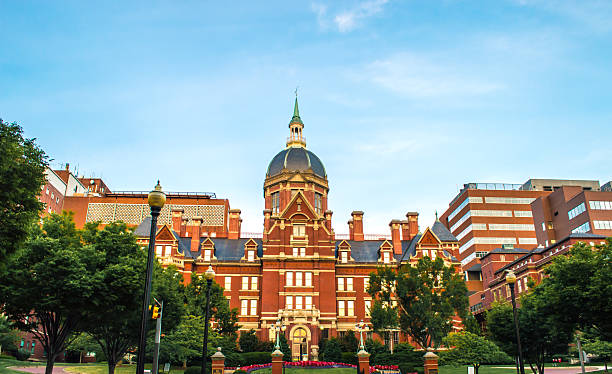
Johns Hopkins University
USA
Bachelor's degree: $63,340 per yearMaster's degree: $65,956 per yearDoctoral studies: about $65,000 per year
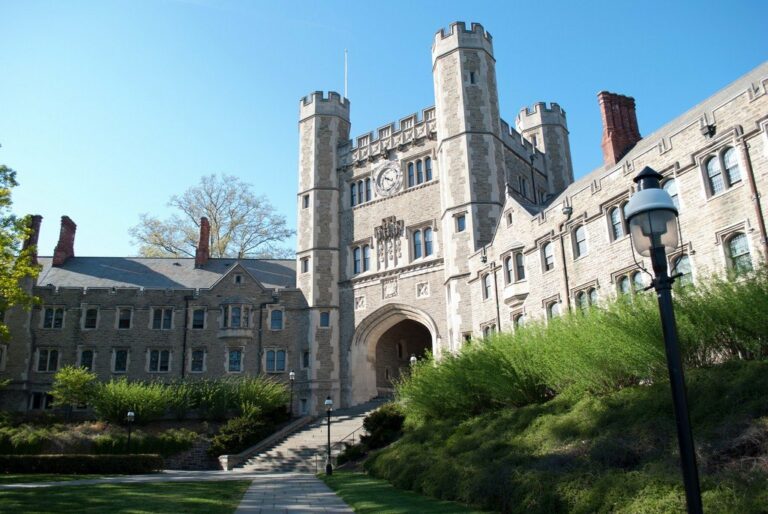
Princeton University
USA
Bachelor's degree: about $60,000 per yearMaster's degree: average $58,000 per yearDoctoral studies: free*
Подобрать университет

Admission Stories

Study Abroad: How to Apply and What to Expect After GraduationМечтаешь учиться за границей, но в голове множество вопросов и сомнений? Разбираем, как поступить в иностранный вуз, с чем предстоит столкнуться во время учебы и что ждет после.
Время чтения:
0 мин
Top 7 Universities in the World: How to Enter a Prestigious UniversityТоповые университеты мира — мечта или переоцененный миф? Рассказываем, как поступить в престижный вуз, что на самом деле дают громкие имена, и стоит ли гнаться за рейтингами любой ценой.
Время чтения:
0 мин
What documents are needed to study abroad and how to prepare themМечта об учебе за границей может разбиться о бумажную волокиту — если не знать "правила игры". В статье разбираем, какие документы действительно нужны, и на что обращают внимание приемные комиссии зарубежных вузов.
Время чтения:
0 мин