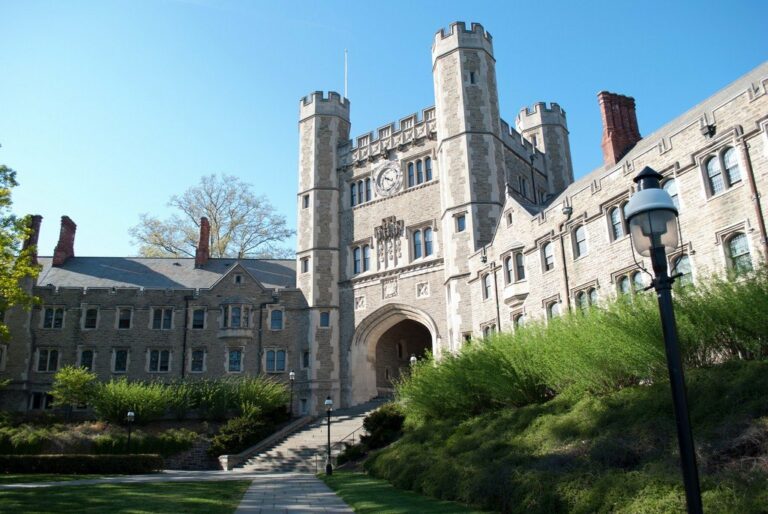
How the ranking of the world's best universities is compiled
Each organization uses its own methodologies, so rankings may vary. A university’s first place on one list doesn’t guarantee it will even be in the top 10 on another. However, the following evaluation criteria are most often taken into account:
- Academic Reputation
An assessment of the quality of a university’s education and research based on the opinions of experts from the academic community. - Employer Reputation
An assessment of how highly employers value a university’s graduates. - Student-to-Faculty Ratio
An indicator reflecting the accessibility of faculty to students and the quality of their individual work. - Public Citation Rate
The number of citations to research articles written by university faculty and researchers, reflecting the impact of their work on the scientific community. - International Student and Faculty Share
An indicator reflecting the university’s attractiveness to international students and scholars. - Awards and Achievements
Awarding of Nobel Prizes, Fields Medals, and other prestigious awards to university staff.
Of course, no single ranking can account for all aspects of educational quality. But if a university regularly appears in rankings of renowned organizations, that says something, right?