
Studying at foreign universities differs significantly from the CIS system. Here, not only academic achievement is valued, but also personal motivation, independence, and a proactive approach. Universities in Europe, the US, and Asia emphasize a practical approach and the development of soft skills—qualities essential for a successful career in any country.

The length and structure of bachelor’s degree programs vary across countries, but they all emphasize developing professional and personal skills.
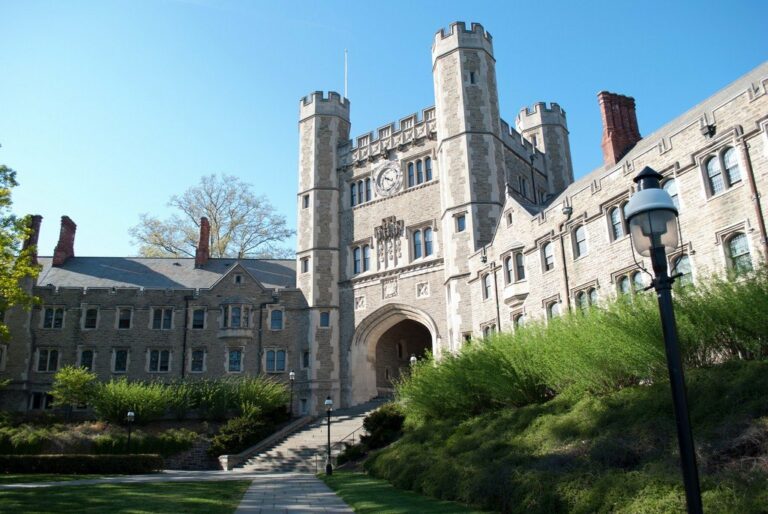
In the United States, bachelor’s degrees last four years. Students spend the first two years studying general subjects, then choose a major. This system allows for flexibility—they can change majors or combine several fields, such as business and IT.
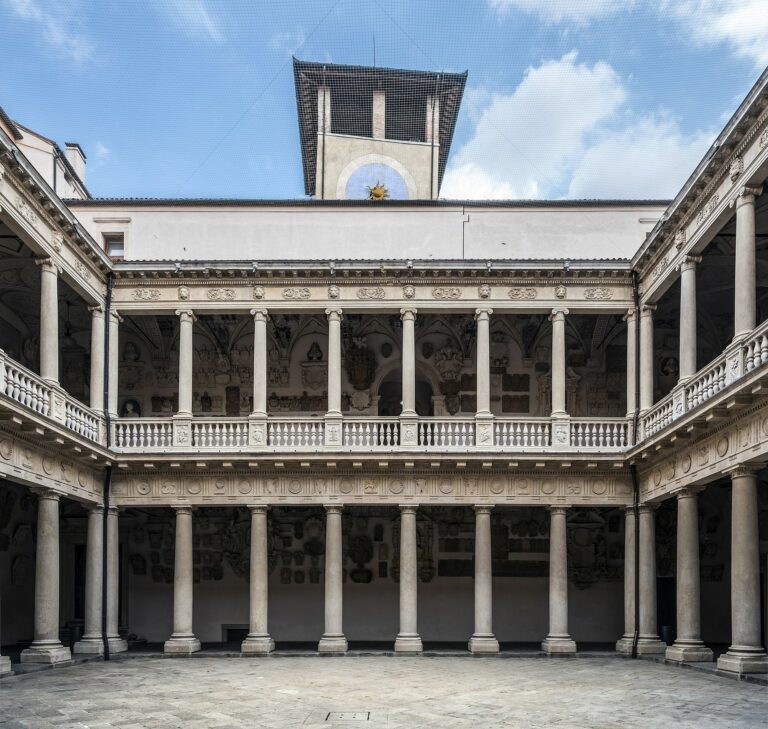
In Europe, bachelor’s degrees typically last three years, and in some countries (Germany, France, Italy) they can last up to four years, depending on the program. The curriculum combines academic knowledge and practical experience, and many universities include an internship as a mandatory part of the program.
In Asia, bachelor’s degrees last between three and four years. Universities in Singapore, South Korea, and Japan emphasize technical and innovative fields, offering modern laboratories and international programs.